


Why do players flock to live dealer games at casinos?
The Allure of Gambling
The thrill of gambling captivates millions around the world. The excitement derived from the possibility of winning, combined with the vibrant atmosphere of casinos, creates an irresistible draw for many individuals. This allure is deeply rooted in psychological factors, such as the anticipation of risk and reward. Players often seek platforms that offer immediate gratification, and online casino instant withdrawal options help enhance the overall gaming experience, keeping them engaged and eager for more action. The intense stimulation creates an environment that feels electric, making it challenging to resist the urge to play.
This rush is not merely a fleeting moment; it triggers the release of dopamine in the brain, reinforcing the behavior associated with gambling. When individuals engage in games of chance, their brains can become conditioned to seek out that euphoric feeling they associate with winning. This process often leads to overindulgence, where players chase the high from their last big win, making it difficult to walk away. The psychological reinforcement of this behavior can create a cycle where individuals feel compelled to return, despite the potential for significant losses.
The dynamic between excitement and compulsion showcases how the initial thrill can morph into a compulsive behavior pattern. A single win can overshadow numerous losses, leading players to convince themselves that they are merely one bet away from hitting it big again. This mindset is particularly potent in casino settings, where the social environment amplifies the desire to continue gambling. In such spaces, the combination of psychological factors and social influences can make it all too easy for individuals to overlook the potential pitfalls of their actions.
The Role of Cognitive Biases
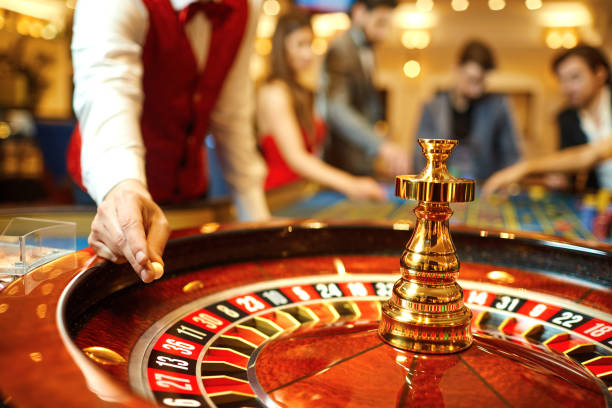
Cognitive biases significantly influence how individuals approach gambling. One prevalent example is the ‘gambler’s fallacy,’ where players mistakenly believe that past events will influence future outcomes in random games. For instance, if a roulette ball lands on black several times consecutively, some players might believe that red is “due” to hit next. This flawed reasoning can lead to increased risks, as players raise their bets based on perceived patterns that do not exist, often resulting in significant financial losses.
Another cognitive distortion is the ‘illusion of control,’ where players feel they can influence the outcome of a game. This belief is especially common in skill-based games like poker or blackjack, leading players to think their decisions can significantly enhance their chances of winning. This overconfidence can result in taking unnecessary risks, prompting players to escalate their gambling behavior beyond their means, often disregarding the probability of losing.

Additionally, people tend to remember their wins more vividly than their losses, which skews their perception of luck and skill. This selective memory reinforces the allure of gambling, allowing players to focus on their memorable wins while overlooking their frequent losses. This skewed perspective creates unrealistic expectations and can lead to continued engagement in gambling activities that may be detrimental to their financial and emotional well-being. Understanding these cognitive biases is crucial in recognizing why individuals participate in gambling patterns that can lead to addiction.
The Impact of Social Influences
Social factors play a crucial role in shaping gambling behavior. Many individuals engage in gambling as a social activity, often using it as a means to bond with friends or participate in community events. This social aspect can downplay the risks associated with gambling, as the focus shifts from potential losses to the enjoyment and camaraderie experienced during these activities. Peer pressure can further perpetuate this behavior, compelling individuals to conform to group norms and participate in gambling activities even if they might prefer abstaining.
The rise of online gambling has transformed how social interactions occur within the gambling community. Many players now engage with peers in a digital environment, allowing them to participate in virtual games while maintaining a sense of community. However, this convenience can also lead to excessive gambling, as the barriers to access become minimal. The anonymity provided by online platforms can encourage individuals to chase losses or indulge in their worst impulses without the immediate social repercussions that might accompany in-person gambling activities.
Moreover, advertising and marketing strategies that promote gambling as an entertaining social experience contribute to the normalization of these behaviors. This representation is evident in popular culture, where gambling is often depicted as glamorous or thrilling. The portrayal of successful gamblers can create unrealistic expectations, leading individuals to believe they too can achieve similar success without acknowledging the inherent risks involved. This social conditioning underscores the complexity of gambling behavior and its psychological implications, making it essential to approach the topic with care and understanding.
The Emotional Rollercoaster of Gambling
The emotional journey associated with gambling is multifaceted, encompassing both exhilarating highs and devastating lows. The highs experienced during winning streaks create euphoric sensations that prompt players to chase that feeling again and again. Conversely, the lows following losses can lead to profound regret and frustration, creating a vicious cycle. Many gamblers find themselves caught in a loop where they attempt to recover losses by increasing their wagers, only to create further financial strain and emotional distress.
Gamblers often oscillate between feelings of hope and despair within a single session, as the outcomes of bets can shift dramatically in moments. This unpredictability contributes to the emotional rollercoaster, making it easier for individuals to become engrossed in the activity. For some, this emotional volatility is part of the appeal, as they seek an escape from the monotony of everyday life or attempt to cope with underlying stressors. However, the emotional toll can lead to severe mental health challenges, including anxiety and depression, necessitating a deeper understanding of the psychological landscape surrounding gambling.
Additionally, the desire to win can provoke feelings of shame or guilt when individuals become aware of the extent of their gambling activity. This internal conflict often results in secretive behavior, as gamblers may hide their activities from loved ones to avoid judgment. Such secrecy can reinforce feelings of isolation, complicating the psychological landscape of gambling. Recognizing these emotional layers is vital for effective intervention and support for those struggling with gambling addiction, as it allows for a more compassionate and informed approach to recovery.
Understanding Gambling Addiction and Recovery
The journey toward recovering from gambling addiction is complex, heavily influenced by the psychological factors discussed earlier. It is crucial to recognize that gambling addiction is not merely a matter of poor decision-making; it encompasses a myriad of cognitive, emotional, and social influences. Many individuals struggle to acknowledge their addiction due to a mix of denial and cognitive distortions that reinforce their gambling behavior. Effective recovery requires a comprehensive approach that addresses these underlying issues and promotes healthier coping mechanisms.
Therapies such as cognitive-behavioral therapy (CBT) have shown promise for those grappling with gambling addiction. CBT targets cognitive biases and maladaptive thought patterns that contribute to compulsive gambling behavior. By helping individuals reframe their thoughts, therapists can empower them to make more rational decisions regarding gambling, while also promoting healthier ways to cope with stress and anxiety. Group support, such as organizations dedicated to helping gamblers, can foster communal understanding, providing individuals with a supportive network during their recovery journey.
Furthermore, education and prevention are vital components of addressing gambling addiction at a societal level. Awareness campaigns can inform the public about the risks associated with gambling, encouraging critical thinking regarding cognitive biases related to gambling behavior. By fostering open dialogues about the risks and consequences of gambling, communities can create a supportive environment that reduces the stigma associated with seeking help. Ultimately, understanding the psychology behind casino gambling is essential for both individuals and society, as it allows for a more nuanced approach to navigating the complex interplay between entertainment and addiction.